
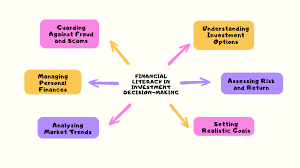
Financial education is one of the most powerful tools for building long-term wealth and achieving financial independence. Many people work hard to earn money, but without proper financial knowledge, managing and growing that income becomes difficult. Understanding how money works helps individuals make smarter decisions, avoid costly mistakes, and create a secure financial future.
What Is Financial Education?
Financial education refers to learning how to manage money effectively. It includes understanding topics such as:
- Budgeting and saving
- Investing and wealth building
- Debt management
- Credit scores and loans
- Retirement planning
- Risk management and insurance
When people understand these concepts, they gain control over their financial lives instead of living paycheck to paycheck.
Why Financial Education Matters
1. Helps You Make Better Financial Decisions
Financial knowledge allows individuals to evaluate opportunities and risks before making decisions. Whether choosing an investment, taking a loan, or planning expenses, education reduces emotional and impulsive choices.
2. Prevents Debt Problems
Many people fall into debt because they do not understand interest rates or repayment structures. Financial education teaches responsible borrowing and helps avoid high-interest debt traps.
3. Encourages Saving and Investing
People who understand money management are more likely to save regularly and invest wisely. They recognize the importance of long-term planning instead of short-term spending habits.
4. Builds Long-Term Wealth
Financial education introduces concepts like compound interest, diversification, and risk management. These principles help individuals grow wealth steadily over time.
5. Provides Financial Independence
Knowledge empowers individuals to rely less on others for financial decisions. It increases confidence and promotes independence in managing personal finances.
Key Areas Everyone Should Learn
Budgeting:
Understanding income and expenses ensures you live within your means and save consistently.
Saving Strategies:
Learning how to build emergency funds and goal-based savings improves financial stability.
Investing Basics:
Knowing different asset classes helps individuals choose investments aligned with their goals and risk tolerance.
Debt Management:
Managing credit responsibly prevents financial stress and protects long-term wealth.
Retirement Planning:
Starting early ensures financial comfort later in life through long-term investment growth.
How to Improve Financial Education
- Read books and trusted financial blogs
- Take online courses about money management
- Follow financial experts and educational platforms
- Practice budgeting and tracking expenses
- Learn from real-life financial experiences
Consistent learning gradually improves financial confidence and decision-making ability.
Common Mistakes Caused by Lack of Financial Knowledge
- Overspending and poor budgeting
- Ignoring savings and emergency funds
- Investing without research
- Taking unnecessary loans
- Failing to plan for retirement
Avoiding these mistakes becomes easier when financial literacy improves.
Financial Education and Wealth Building
Financial education acts as a foundation for all wealth-building strategies. Income alone does not create wealth — smart management, disciplined saving, and informed investing do. Individuals who continuously improve their financial knowledge are more likely to achieve stability and long-term success.
Final Thoughts
Financial education is not a one-time lesson but a lifelong process. The more you learn about managing money, the better your financial decisions become. By investing time in financial learning today, you create opportunities for security, freedom, and sustainable wealth in the future.