
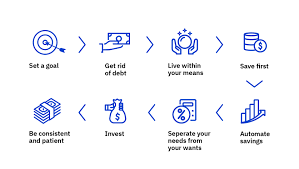
Saving money is one of the most powerful foundations of wealth building. While earning more income helps, long-term financial success usually depends on how well a person manages and saves money. Many wealthy individuals are not simply high earners; they are disciplined savers who understand the importance of consistent financial habits. Smart saving is not about extreme sacrifice but about making intentional decisions that support long-term financial growth.
Why Saving Money Is the First Step Toward Wealth
Before investing or starting a business, saving creates financial stability. Without savings, even a small emergency can lead to debt. Savings act as a safety net, allowing people to make better financial decisions without stress.
Saving also creates opportunities. When you have money set aside, you can invest, start projects, or handle unexpected situations without borrowing. This financial flexibility is one of the key differences between people who struggle financially and those who steadily grow wealth.
Pay Yourself First
One of the most common habits among financially successful people is paying themselves first. Instead of saving whatever remains at the end of the month, they save immediately after receiving income.
This method ensures saving becomes a priority rather than an afterthought. Even setting aside a small percentage consistently builds strong financial discipline. Over time, these savings grow into significant amounts.
Automate Your Savings
Automation removes the need for willpower. Setting automatic transfers from your main account to a savings account ensures money is saved regularly without effort.
When savings happen automatically, spending habits naturally adjust to the remaining balance. This simple strategy helps people save consistently without feeling restricted.
Create Clear Saving Goals
Saving becomes easier when there is a purpose behind it. Clear goals provide motivation and direction. Common saving goals include:
- Emergency funds
- Buying a home
- Starting a business
- Retirement planning
- Education expenses
Breaking large goals into smaller milestones makes progress measurable and encouraging.
Separate Savings From Spending Money
Keeping savings in the same account as daily spending increases the risk of using it unnecessarily. A separate savings account creates psychological distance and reduces impulse withdrawals.
Some people even use multiple accounts for different goals. This structure improves financial organization and makes progress easier to track.
Reduce Small Unnecessary Expenses
Many people believe saving requires major lifestyle changes, but small daily expenses often have the biggest impact. Frequent online purchases, unused subscriptions, and impulse spending quietly reduce savings potential.
Review monthly expenses and identify items that do not add real value. Redirecting even small amounts toward savings can produce noticeable long-term results.
Follow a Simple Budgeting Rule
A structured budgeting approach supports saving habits. One popular method is allocating a fixed percentage of income toward savings before spending on lifestyle choices.
The exact percentage can vary depending on income level, but consistency matters more than amount. Gradually increasing the savings rate as income grows accelerates wealth building.
Build an Emergency Fund
An emergency fund is one of the smartest saving strategies. Unexpected events such as medical expenses or job loss can disrupt financial stability.
Experts often recommend saving three to six months of living expenses. Having this reserve prevents reliance on loans or credit cards during difficult times.
Avoid Lifestyle Inflation
When income increases, many people immediately upgrade their lifestyle. While rewarding yourself occasionally is healthy, constantly increasing expenses prevents savings growth.
Maintaining modest spending habits while income rises allows savings to grow faster. This habit plays a major role in long-term wealth creation.
Track Your Progress Regularly
Monitoring savings progress helps maintain motivation. Reviewing balances monthly shows how small consistent efforts produce meaningful results over time.
Tracking also helps identify problems early, allowing adjustments before financial goals are affected.
Develop Patience and Long-Term Thinking
Saving money is not exciting in the short term, but its long-term impact is powerful. Wealth is rarely created through sudden success; it grows gradually through disciplined habits.
Patience allows savings to accumulate and later transform into investments and income-generating assets.
Common Saving Mistakes to Avoid
Many beginners make the mistake of waiting for a higher income before starting to save. Others save inconsistently or withdraw savings frequently for non-essential expenses.
Another common mistake is keeping all money idle without future planning. Savings should eventually support investments that grow wealth over time.
How Smart Saving Leads to Financial Freedom
Saving builds confidence and reduces financial stress. When individuals know they have financial reserves, they make better career and investment decisions.
Over time, savings become the foundation for investments, business opportunities, and passive income sources. This transition is what turns simple saving habits into long-term wealth creation.
Final Thoughts
Smart saving habits are not complicated, but they require consistency and discipline. Paying yourself first, automating savings, controlling unnecessary expenses, and setting clear goals can transform financial life over time.
Anyone can start saving regardless of income level. The key is beginning today and staying committed to steady progress. Small amounts saved regularly can grow into significant wealth and provide lasting financial security.