
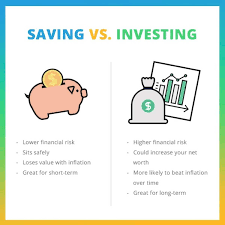
When it comes to managing money, one of the most common questions people ask is whether saving or investing is better for building wealth. Both are important parts of financial planning, but they serve different purposes. Understanding the difference between saving and investing helps you make smarter decisions and grow your money more effectively.
The truth is that wealth is usually built by using both strategies together in the right balance.
What Is Saving?
Saving means setting aside money in a safe place such as a bank account where the risk of losing money is very low. Savings are mainly used for short-term goals and financial security.
People save money for:
- Emergency funds
- Monthly expenses
- Travel or planned purchases
- Unexpected situations
The main advantage of saving is safety and easy access to cash when needed.
Benefits of Saving Money
Saving provides financial stability. It protects you during emergencies and prevents dependence on loans or credit cards.
Key benefits include:
- Low risk
- High liquidity (easy access)
- Financial peace of mind
Savings are especially important before starting any investment journey.
Limitations of Saving
Although saving is safe, it has one major weakness: slow growth. Money kept in a regular savings account usually earns very small returns.
Over time, inflation reduces purchasing power. This means money saved today may buy less in the future if it is not growing fast enough.
What Is Investing?
Investing means putting money into assets that have the potential to grow in value over time. Investments may include stocks, funds, businesses, or digital assets.
Unlike savings, investing involves some level of risk, but it also offers higher potential returns.
The purpose of investing is long-term wealth growth rather than short-term security.
Benefits of Investing
Investing helps money grow faster because returns can compound over time. Long-term investments often outperform simple savings.
Major advantages include:
- Higher growth potential
- Protection against inflation
- Opportunity to build passive income
Consistent investing over many years can significantly increase net worth.
Risks of Investing
Investments can fluctuate in value, especially in the short term. Markets may rise and fall, which can create emotional stress for beginners.
However, long-term investing and diversification help reduce risk. Patience is essential for successful investing.
Saving vs Investing: Key Differences
Saving focuses on protection, while investing focuses on growth.
Savings are best for short-term needs and emergencies. Investing is designed for long-term goals such as retirement or financial independence.
A person who only saves may struggle to build wealth, while someone who only invests without savings may face financial risk during emergencies.
The Smart Strategy: Use Both Together
The best financial approach combines saving and investing.
First, build an emergency fund covering several months of expenses. Once financial security is established, begin investing regularly.
This balance ensures safety while allowing money to grow.
When to Save More
You should prioritize saving when:
- You have unstable income
- You are paying off high-interest debt
- You do not have an emergency fund
- You expect short-term expenses
Savings provide stability during uncertain periods.
When to Focus on Investing
Investing becomes more important when:
- Emergency savings are complete
- Debt is under control
- You are planning long-term goals
- You want to grow wealth faster
Starting early gives investments more time to compound.
Common Mistakes Beginners Make
Many people delay investing because they believe they need large amounts of money. Others invest without having savings, which creates risk during emergencies.
Another mistake is expecting quick profits instead of long-term growth.
Consistency and patience are more important than timing the market perfectly.
Long-Term Wealth Perspective
Historically, long-term investing has been one of the most effective ways to build wealth. Savings protect your financial life, while investments expand it.
The combination of both creates financial balance and reduces stress.
Final Thoughts
Saving and investing are not competitors; they are partners in wealth building. Saving provides security, while investing creates growth.
Start by building strong savings habits, then gradually move into long-term investing. With discipline and consistency, this balanced strategy can help anyone achieve financial stability and lasting wealth.